

Get to know the possible reasons and troubleshooting of QuickBooks error code 15227
QuickBooks is built to be reliable but like any software that runs complex processes, it occasionally hits a wall. QuickBooks Error Code 15227 is one of those errors that tends to show up at the worst possible time: during a software installation, while updating QuickBooks, or even while Windows is starting up or shutting down. When it does, QuickBooks either stops working entirely or becomes unresponsive, bringing your workflow to a sudden halt.
At its core, Error 15227 is usually a system stability issue your computer’s essential files aren’t responding correctly, Windows registry entries related to QuickBooks have been corrupted, or a virus has interfered with the software’s components. The fix typically involves a combination of cleaning up system junk, repairing or installing QuickBooks, and making sure Windows is up to date.
This blog walks through all seven steps to resolve QuickBooks Error 15227 in plain, easy-to-follow language. If you’d rather have a certified expert handle it, our QuickBooks enterprise support team is available 24/7 at +1-888-510-9198.
You may also read: How to resolve QuickBooks error 1310?
What are the symptoms of Error 15227?
Here is how you can identify this error:
- Your active program may crash upon appearing of QuickBooks Error Code 15227.
- Error 15227 appears every-time your system crashes (and your system may start crashing frequently).
- Your Windows OS may get slow.
- You frequently receive connection errors.
- Security app is missing.
- Taskbar unable to locate.
- Fatal exception pop up
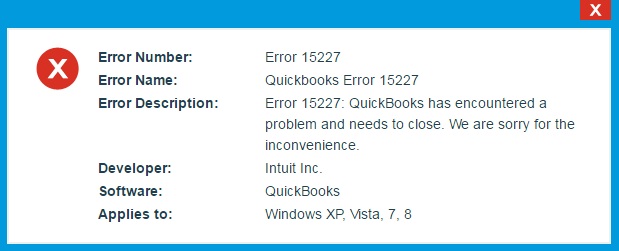
- An error message will show up on your screen. “QuickBooks Error Code 15227”
The image as shown below is similar which appears on your desktop.
See Also: How to Fix QuickBooks Error 6129, 0? (Database connection error)
What Causes QuickBooks Error code 15227?
Generally, Error Code 15227 appears if your computer is unstable or essential files do not respond to your commands or go missing. There might be multiple reasons that may trigger this issue. Please remember that knowing when this error appeared is a crucial detail that may help you fixing QuickBooks Error Code 15227. There might be one or more of the following reasons behind the occurrence of Error 15227:
- Corrupt or damage QuickBooks software download.
- Incomplete or partial installation of the software.
- Software package modifications related to QB caused corruption in Windows registry.
- Virus or Malware infection.
- Another program by mistake or maliciously deleted necessary QuickBooks related files.
Read Also: How to Fix QuickBooks Crash Catcher Error on Mac OS?
How to Fix QuickBooks Error Code 15227?
Follow these tips to fix QuickBooks Error Code 15227. We recommend you to fix this issue as soon as possible. However, you can take help from 24X7 QuickBooks error support team to save your time and efforts.
Step 1: Reinstalling QuickBooks update
It is suggested to delete the files related to the previous update and reinstall QuickBooks updates. The user can try performing the steps below to reinstall QuickBooks update.
- The user needs to first reboot the system
- After that, open the QuickBooks desktop by right clicking on its desktop icon and select run as admin
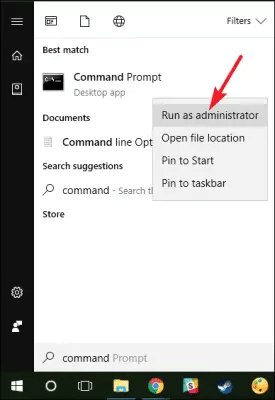
- Install the updates, if it is indicated to you. Or if the update isn’t installed, then one can move to the C:/Documents and Settings\All Users\Application Data \Intuit\QuickBooks versionxx\ Components and then delete the file.
- The user needs to then relaunch the QuickBooks desktop and select the update QuickBooks option in the help menu
- Once done with that, the user needs to click on the install now tab when the QuickBooks desktop update services show up.
Step 2: Perform a disc clean up
- The user needs to first start a disk cleanup along with a complete scan for viruses and malware for the system files
- Now, get back to the recent updates and check if there are any issues.
- The system file checker tool can be effective in identifying and repairing any files on the system.
Step 3: Reinstalling QuickBooks software
- The very first step is to open the run window the windows through windows + R
- Now, when the run box displays, type msconfig and click on enter tab
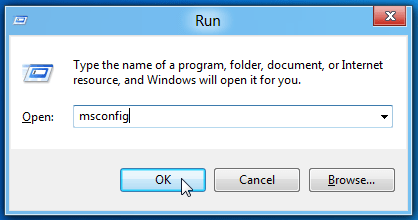
- The user is then required to click on services tab, after the system configuration window appears.
- Hide all microsoft services and disable all the remaining services
- Move to the selective startup and load system services in the general tab
- Make sure that the windows installer is checked and then hit on restart
- Perform the steps with QuickBooks clean install
- You can uninstall QuickBooks desktop manually via the control panel
- The last step is to open the system configuration window and then select the normal startup after that select reboot
Step 4: Windows should be updated to the latest version
An outdated operating system can trigger certain errors like QuickBooks 15227. It is recommended to ensure that the operating system installed on the system is equipped with the latest updates.
- Here, the user needs to access the settings from the windows start menu
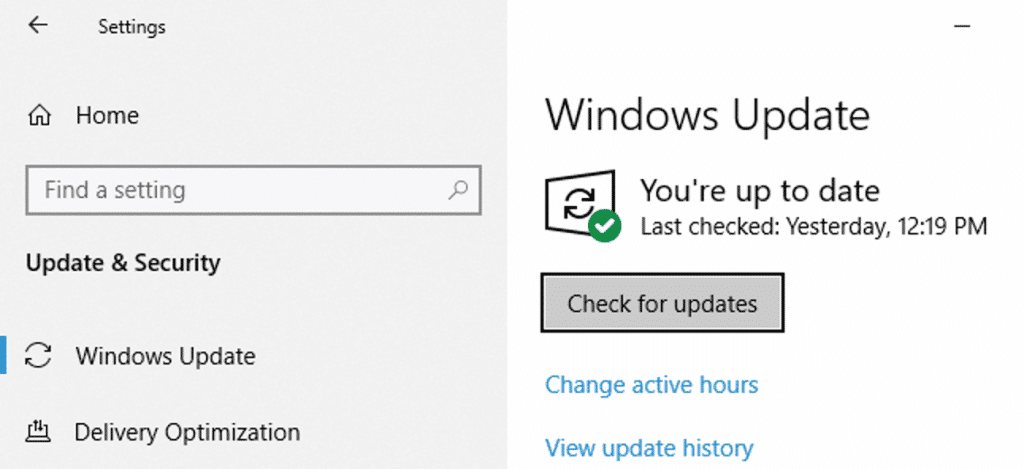
- After that, choose the update and security tab
- Now, click on check for updates
- The user needs to ensure that he/she has downloaded all the relevant updates essential for the system.
Read Also: How to Fix QuickBooks Error 6190 and 816?
Step 5: Clean off any temporary files
- Under this process, the user needs to click on the windows + R to access the run box
- After that, type cleanmgr.exe
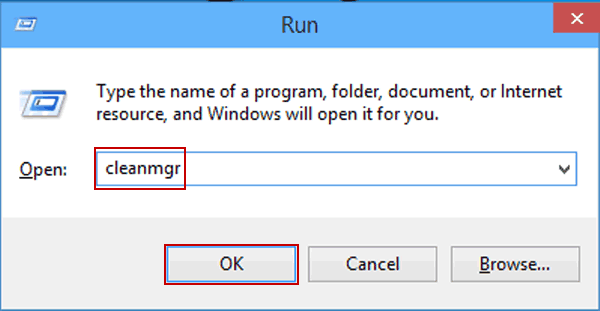
- Now, select ok or alternatively click on enter tab to launch the disk cleanup tool
- Click on the clean up system files
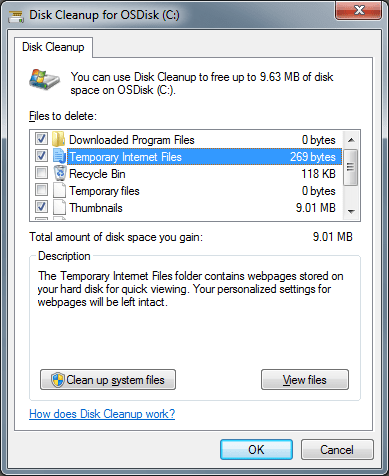
- Once done with that click on yes tab
- A list of files to remove will appear on the screen
- Check al of the items and click on ok tab
- Select the delete files option to wipe off the system
- Remove the temporary files to launch the run command window and enter %temp% followed by clicking on enter tab
- After the folder appears, the user needs to select al the files through Ctrl + A
- Now click on delete tab and eliminate unnecessary temporary files
Step 6: Using system file checker
The user will have to check if the files are having any sort of error or not. This can be done by heading to the command prompt and then SFC command. The steps involved here are:
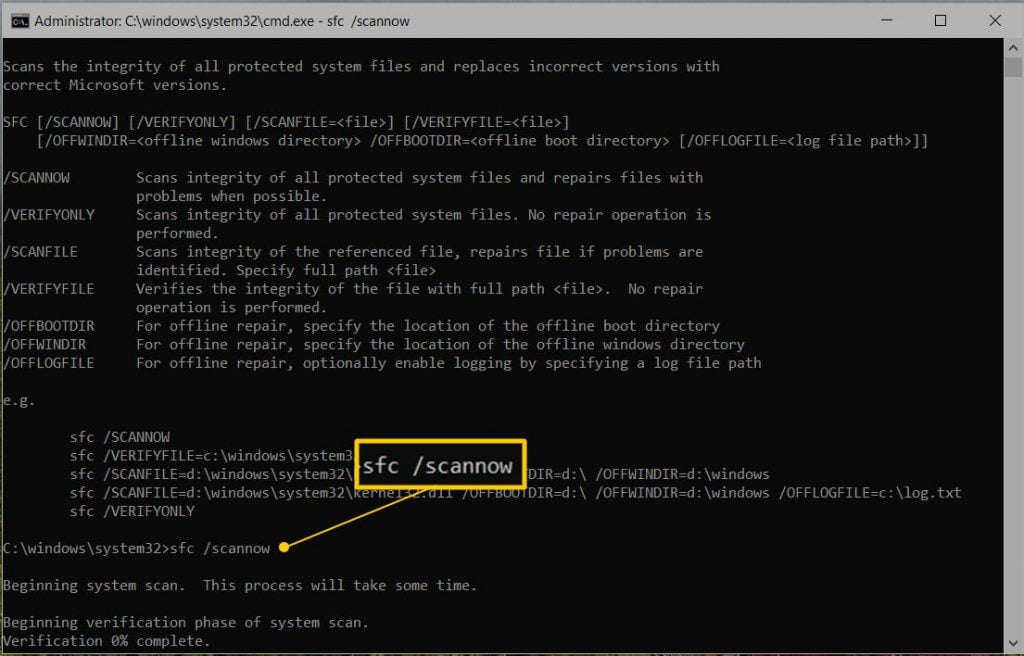
- Start with clicking on the windows key
- And then, in the search bar, click on the start tab and type prompt
- Select run as admin after right clicking the command prompt
- Hit the enter tab and let it scan
- Lastly, let the process end and launch QuickBooks and verify if the error is resolved.
Step 7: Opt for windows restore
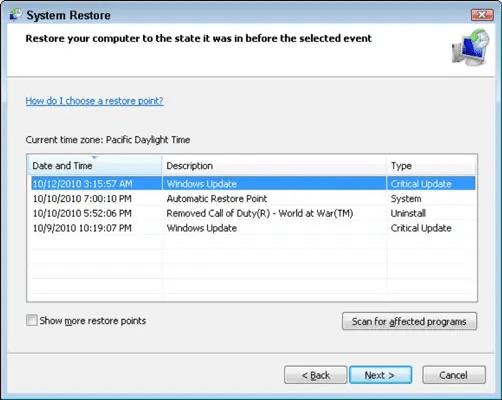
- The user needs to click on the windows start tab
- And then, search for restore and click on the windows restore icon
- The window will open when required to choose a restore point
- Continue the process of restoring the system
- The last step is to restart the system and start with the QuickBooks desktop
Final Note!
Once QuickBooks Error 15227 is resolved, run a quick check to make sure everything is in good shape: confirm your QuickBooks version is fully updated, verify that your company file opens without issues, and do a fresh Windows Update to keep system components current. If you reinstalled QuickBooks as part of the fix, also make sure your license is properly registered and your company file path is correct.
If Error 15227 is still appearing after working through all seven steps, or if it cleared but came back within a few days, our certified QuickBooks Error support team at +1-888-510-9198 is available 24/7. We handle system-level QuickBooks errors like this one every day and can usually get to the root cause quickly reach out and we’ll get it sorted for you.
FAQs
QuickBooks Error 15227 is a system-level error that appears when QuickBooks cannot complete an installation, update, or startup process due to corrupted system files, a damaged Windows registry, an incomplete QuickBooks installation, or malware on the system. It can also be triggered by an outdated Windows OS or by another program accidentally deleting QuickBooks-related files.
Start with two fast checks: end all background QuickBooks processes in Task Manager and then try reopening QuickBooks as Administrator (right-click > Run as Administrator). If the error persists, run a disk cleanup and full virus scan (Step 2), then try reinstalling QuickBooks updates (Step 1). For more stubborn cases, perform a clean reinstall in Selective Startup mode (Step 3) or run the Windows System File Checker (Step 6).
Yes malware and viruses are one of the documented causes of Error 15227. They can corrupt QuickBooks installation files or Windows registry entries, prevent updates from completing, or delete necessary QuickBooks-related files. Running a full system scan as part of Step 2 before attempting any reinstall is strongly recommended, since reinstalling on an infected system will typically result in the error returning.
Yes. An outdated Windows OS is one of the triggers of Error 15227, because outdated system components like .NET Framework or Visual C++ can conflict with QuickBooks’ installation and update processes. Running a complete Windows Update (Step 4) ensures all shared components are current and reduces the likelihood of component-related conflicts causing the error.
Press Ctrl + Alt + Delete and select Task Manager. Click the Processes tab and scroll through the list looking for any QuickBooks-related processes such as QBW32.exe, QBUpdate.exe, or QBCFMonitorService.exe. Select each one and click End Task. Repeat for all QuickBooks processes, then close Task Manager and try opening QuickBooks again. This prevents background conflicts from interfering with a fresh launch or update attempt.
Go to the Windows Start menu, search for Control Panel, and open it. Click Programs or Uninstall a Program. Find QuickBooks in the list, right-click it, and select Uninstall/Change. Follow the uninstallation wizard prompts to completion. Once uninstalled, restart your system, then perform a clean reinstall of QuickBooks. After reinstalling, run QuickBooks in Selective Startup mode to avoid conflicts from background programs during the setup.
Yes, clearing temporary files (Step 5) removes corrupted or outdated installation fragments that can interfere with QuickBooks’ update and installation processes. Press Windows + R, type %temp%, press Enter, select all files (Ctrl + A), and delete them. Then run the Disk Cleanup tool (Windows + R > cleanmgr.exe) to clean up system-level junk files. These steps improve system stability and give QuickBooks a cleaner environment to install or update successfully.
Other helpful articles
How to Fix QuickBooks Error Code 6189 and 816?