QuickBooks error 1317 is basically an installation or update error that shows up when you try to update QuickBooks or install it. This error shows up on the screen with a warning message that states: Error 1317: An Error occurred while attempting to create the directory drive name:/folder. There can be a handful of factors causing this issue in QuickBooks, which we will be elaborating on later in this segment. Thus, if you are interested in knowing what those factors are, make sure to stick around this segment carefully.
For any sort of technical guidance, feel free to connect with our QuickBooks Error Support team at +1-888-510-9198, and we will provide you with instant support and guidance.
What Causes QuickBooks Error Code 1317?
The QuickBooks error code 1317 generally happens due to some installation issue. It can occur when you try to make a directory in QuickBooks. There can be other causes for this error code like interference of third party with QuickBooks, permission to access the software, unexpected change in windows registry and more.
This error occurs when the ‘SYSTEM‘ account’ on the particular drive does have incorrect permissions.
The ‘SYSTEM‘ account allows ‘Visual Studio 2005‘ or ‘Visual Studio .NET‘ to have access to that drive.
Another factor triggering this issue can be if a third-party program set up on the system may conflict with QuickBooks install/update process.
The drive on which the installation is being performed might not have sufficient permissions.
M.S. Visual Studio might have gained access to the specified drive.
A recent unwarranted windows registry change might trigger such error.
In case crucial system files might be corrupted.
Another reason can be insufficient RAM ad hard disc memory might also trigger such an error.
Here are the ways you should fix the QuickBooks error code 1317.
Solution 1: Make necessary alterations to the permissions.
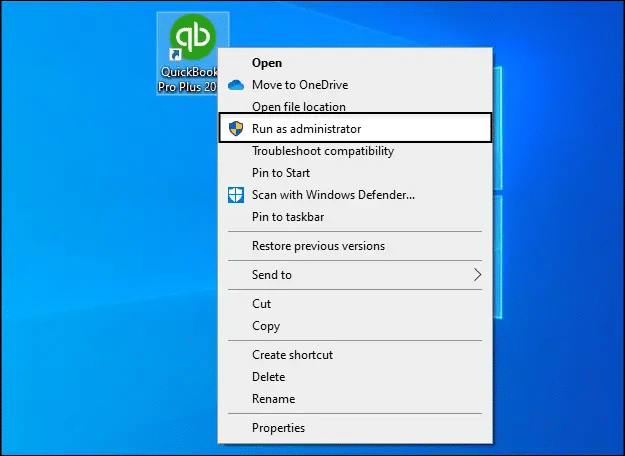
First, you should reboot your system and then log in as the Administrator.
For program path browse your ‘C:\ drive‘.
Now right-click on the ‘Program Folder’.
Now go to the option Sharing and Security or the ‘Properties’
Hit the ‘Sharing tab‘
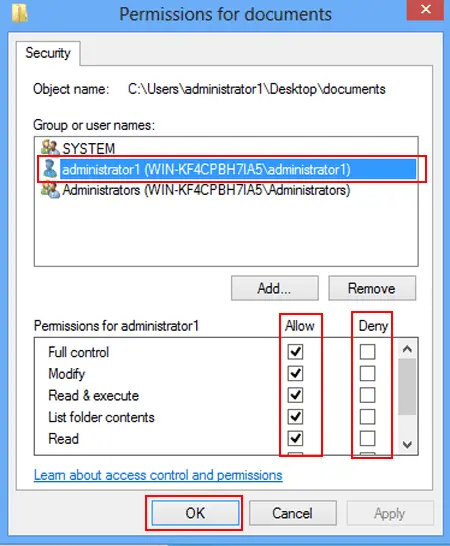
After this select the ‘Permissions option‘ or the ‘Advanced Sharing‘ and followed by ‘Permissions‘.
Highlight ‘EVERYONE’ from the group or select the ‘User name‘ box or highlight it.
Now click on the ‘Allow box‘ on the Full ‘Control Line‘.
Choose the user name box or highlight the SYSTEM from the group. On the ‘Full Control Line‘ click on ‘Allow box‘.
After this go to the ‘Change Permissions‘ and then check on the box, Replace all child object permissions with ‘inheritable permissions‘ from this object.
Now hit the ‘OK‘ tab.
Click on the ‘Yes‘ option when you receive a message saying ‘Do you wish to continue?
In order to ‘Save‘ the recent changes click on the ‘OK‘ tab.
Solution 2: Restore your PC
The very first step is to search for restore in the search bar available in the start menu.
Once done with that, click on the system restore icon to open its windows.
After that select the most recent restore point and commence with the restore process.
The next step is to restart the system to install/update QuickBooks desktop once again.
This should resolve the issue up to a certain extent.
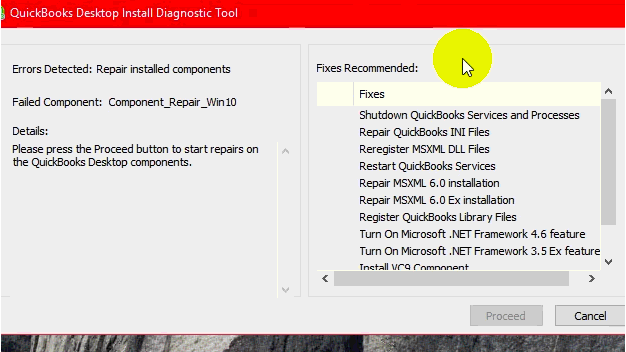
Solution 3: Run QuickBooks install diagnostic tool
In case the user is running QuickBooks already, then he/she needs to make an exit from the accounting program. Ensure that you close all the other programs running in the background.
After that open the web browser and navigate to the Intuit website and then download the QuickBooks tool hub from the site.
Double-click on the QuickBookstoolhub.exe file to initiate the installation process.
Perform the onscreen prompts to successfully finish the installation process.
After the tool is installed, then run the QuickBooks tool hub.
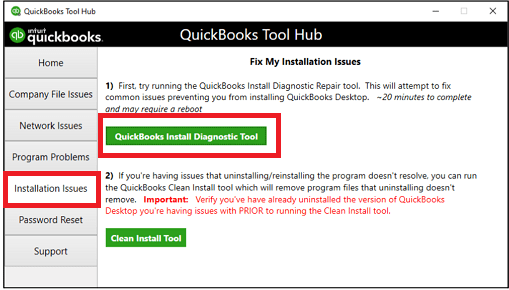
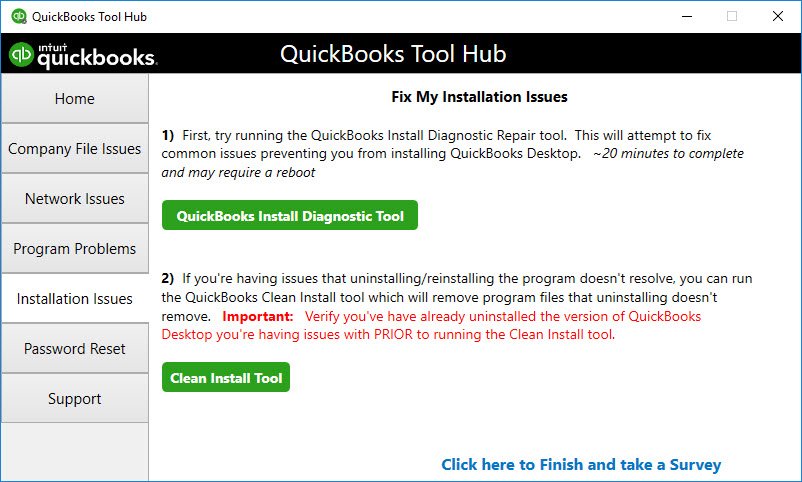
Click on the installation issues tab.
Followed by select the QuickBooks install diagnostic tool.
The process might be a little hectic, but let the tool fix the installation related issues.
Reboot the system and try updating QuickBooks again
Solution 4: Using Safe mode to update/install QuickBooks desktop
In order to discard any conflict caused by unauthorized third-party applications, the user can try to update QuickBooks in safe mode. The steps involved here are:
Using F8 after restarting
The user needs to restart the system and then press F8 key.
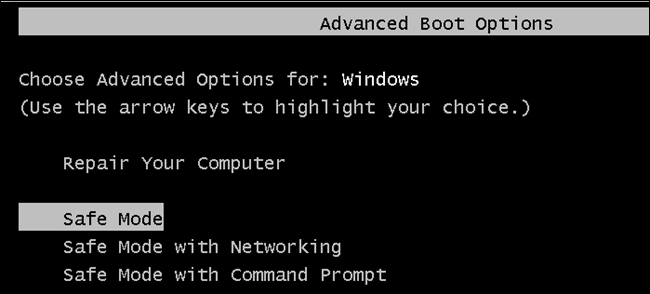
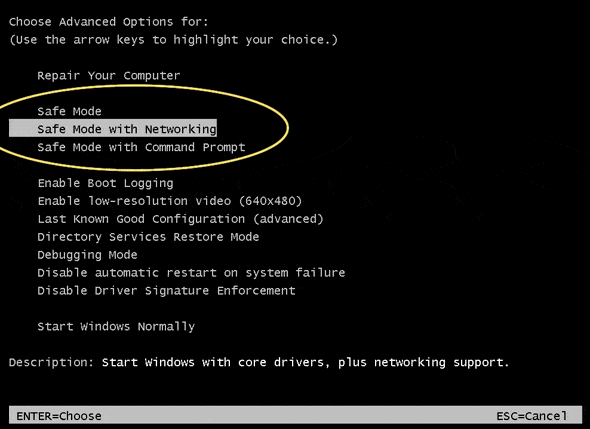
The advanced boot options screen will appear on the screen.
The next step is to use the arrow keys, and select safe mode with networking.
Try installing QuickBooks desktop again.
Using MSConfig
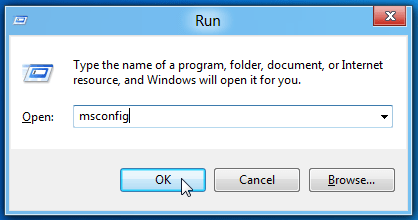
The user needs to press the Windows + R tab to open the run window.
After that, enter msconfig in the run window.
Press ok tab.
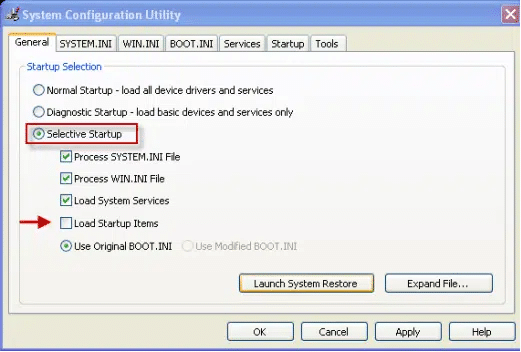
Pick the general tab and go for the selective startup.
Click on load system services option.
Uncheck the box beside load startup items
Also, click on services tab.
Click on the checkbox to hide all Microsoft services.
Click on the disable all option and uncheck the option to hide all Microsoft services.
Ensure the Windows installer checkbox is check-marked in the service list.
If it isn’t marked, you are supposed to checkmark it.
By following the above mentioned steps you can easily resolve the QuickBooks error code 1317. However, if the problem persists then seek assistance from QuickBooks Support experts. In case the QuickBooks Error Code 1317 still exists, you can contact our 24×7 QuickBooks payroll support team at +1-888-510-9198. The experts will not only give you an instant solution but also guide you how to avoid QuickBooks errors in the near future.
FAQs -QuickBooks error 1317
How do I fix QuickBooks error 1317?
To fix the error code 1317 in Office 365/2021/2019 you can delete the altered Office Registry keys or remove and re-create the keys with previous values. (HEXA CODE or H-KEYS).
What is QuickBooks error code 1327 in QuickBooks?
QuickBooks error code 1327 is nothing but an installation problem. It usually occurs when you attempt the installation of the QuickBooks accounting software into the computer system. When the installation media is inserted and attempt the installing process, then an error box comes up.
Can restoring PC resolves QuickBooks error code 1317?
The user can try to eliminate the issue using the steps below: 1. The very first step is to search for restore in the search bar in the start tab. 2. After that, click on the system restore to open its windows. 3. Select the most recent restore point and commence with the restore process. 4. After the process is over, reboot the system and try to install/update QuickBooks desktop once again. 5. This error would resolve the issue up to a certain extent.
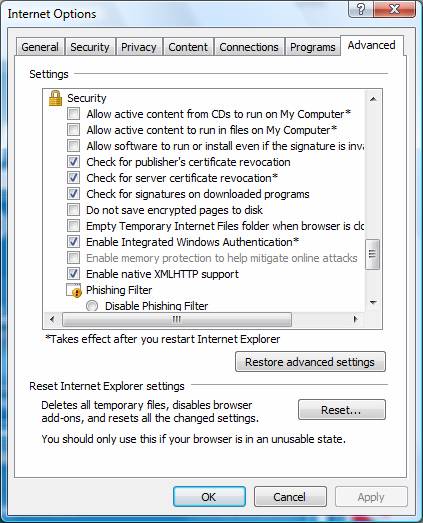
Processing accurate employee payroll and keeping your tax calculations compliant requires your accounting system to stay closely synchronized with the latest federal and state tax tables. However, encountering QuickBooks Error Code 15311 during an update can completely stall your administrative schedule. This specific payroll update error typically flashes when the software fails to validate its internal digital signature, causing download sequences to crash instantly. It is heavily tied to disrupted internet browser configurations, conflicting background processes, or outdated digital security certificates that prevent QuickBooks from authenticating the incoming update file.
Stuck with a Failed Payroll Update or Security Certificate Error? Manually verifying digital signatures, managing Windows security settings, or tracking down conflicting background applications can be a frustrating and time-consuming process. A minor misconfiguration in your system settings can leave your payroll module completely locked or cause your calculations to fall out of sync with current tax laws. If you are facing a tight deadline and need your payroll workspace restored immediately, let our certified technical experts handle it for you. Call our QuickBooks error support Hotline now at +1-888-510-9198 for secure, live-expert assistance. Let’s look at the manual troubleshooting steps below.
This error mostly occurs when the users of the software can’t refresh QuickBooks properly. QuickBooks Error Code 15311 appears through application establishment, when QB related software are running, while windows is starting or shutting down or during the installation of QuickBooks accounting software.
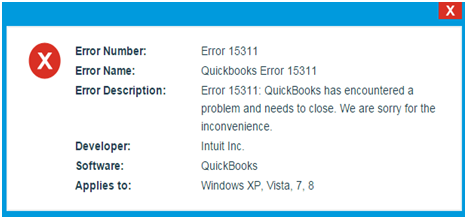
You may see the following error message on your desktop screen:
“QuickBooks update cannot be complete successfully’ and ‘Cannot connect to QuickBooks Payroll”.
The image as shown below is similar which appears on your desktop.
In case the above steps didn’t work, then manually rectifying the error is something that we recommend. The steps involved in this process are as follows:
The very first step is to ensure that the QuickBooks subscription is activated
Once done with that, update the QuickBooks desktop to the latest release.
Now, you need to ensure that the payroll service key is correct.
Under this process, one needs to head to the employees tab and further click on my payroll service.
Later on, click on manage service keys.
Also, click on edit tab and check if the key is correct
You are now required to click on next tab and also click on the finish tab
The last step is to reboot the system and you are done.
Solution 4: Uninstalling QuickBooks desktop related entry
Another important method to eliminate such issue can be to uninstall QuickBooks desktop related entry. The steps involved in this process are as follows:
The user needs to take the cursor and take it over the left side of the screen at the bottom until the start menu image appears.
The user is then required to right click to open the start context menu.
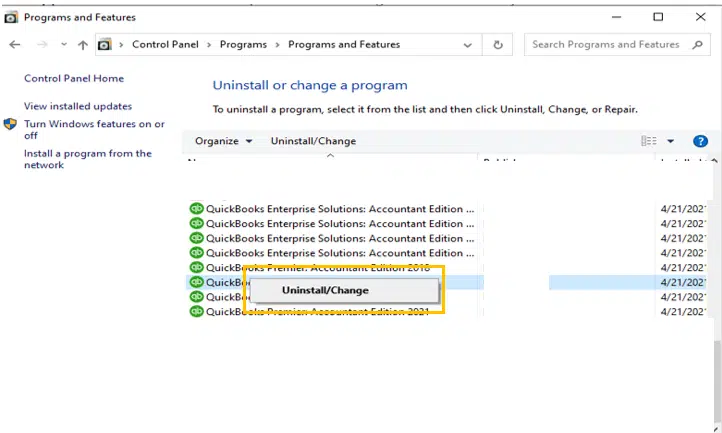
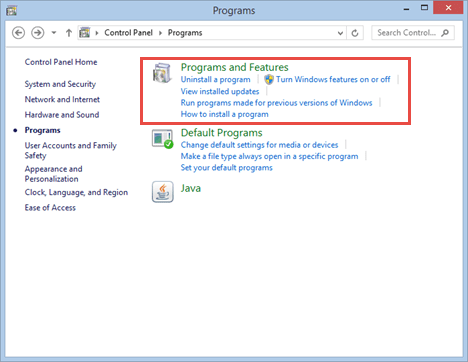
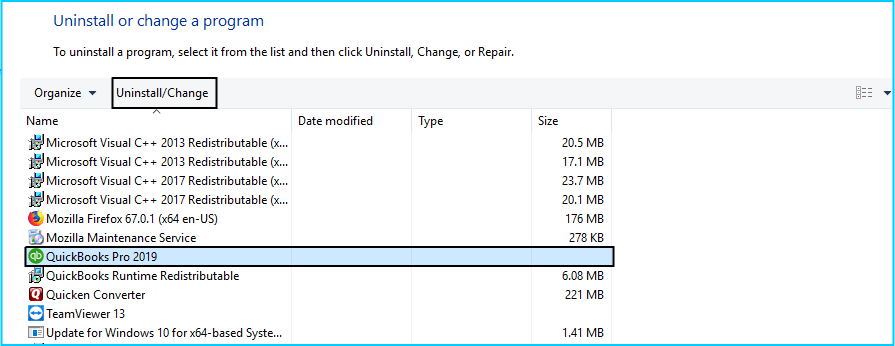
After that, choose the programs and features option.
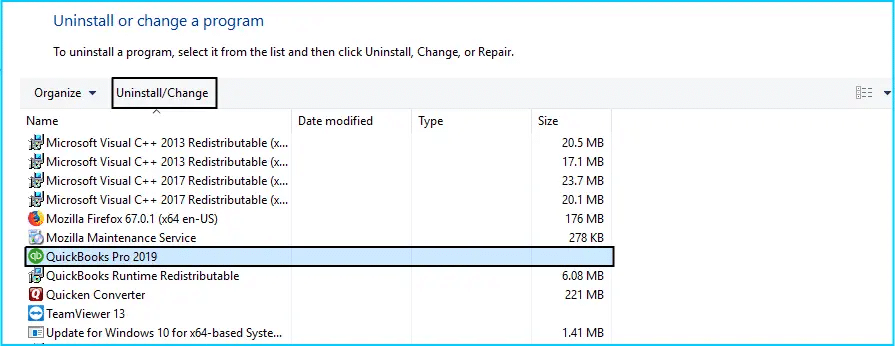
Once done with that, the user needs to search for QuickBooks error code 15311 in the new window.
After that, press QuickBooks related entry.
The user needs to click on uninstall/change heading.
Now, perform the onscreen prompts to complete the uninstallation of the related program.
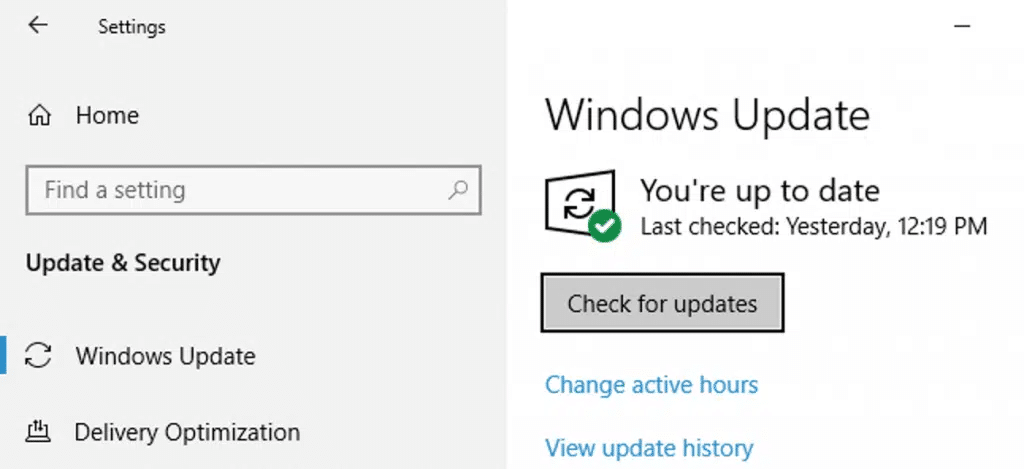
Solution 5: Update windows
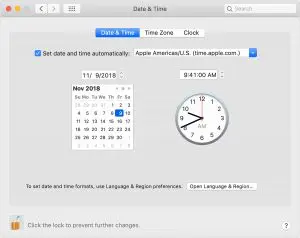
Outdated windows can often trigger errors in QuickBooks. Updating windows to the latest release can help in eliminating any kind of technical operating system error. Updating windows can clear out bugs and introduces additional features to windows. The user can implement the necessary steps to update windows.
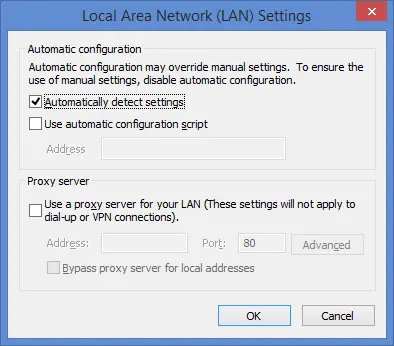
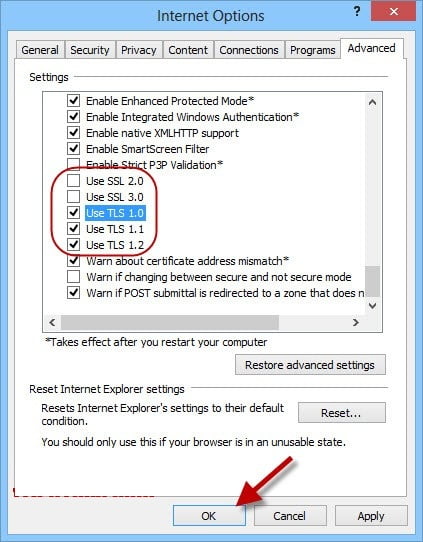
Fixing QuickBooks Error Code 15311 requires a structured approach to system security ranging from verifying your internet explorer settings and refreshing your digital signatures to performing a clean download of the latest QuickBooks software updates in Safe Mode. Making sure that your operating environment recognizes Intuit’s official security credentials is often all it takes to clear these download blocks and get your automated payroll back on track.
However, because 15000-series errors are deeply connected to core Windows system files, third-party security software blocks, or registry fractures, standard manual updates may not always fix a persistent issue. Don’t risk running outdated tax tables or delaying your employees’ paychecks because of software bugs. Connect directly with our elite QuickBooks Payroll and Integration Experts at +1-888-510-9198. Our certified ProAdvisors are available 24×7 QuickBooks payroll support to analyze your system update logs, safely install digital signatures, and ensure your payroll functions flawlessly.
FAQs
What does QuickBooks Error 15311 means?
QuickBooks Error Code 15311 appears when the user tries to update QuickBooks Desktop. The error appears in the form of a message stating “QuickBooks update cannot be completed successfully”.
What are the main causes behind to error 15311?
Few major causes behind QuickBooks Error 15311 are: 1. Incomplete or corrupted QuickBooks installation 2. Virus or malware attack. 3. QuickBooks files got deleted. 4. Windows registry entries related to QuickBooks software are corrupted. 5. Corrupted files from the downloaded QuickBooks files.
How can I fix Error 15311 in QuickBooks?
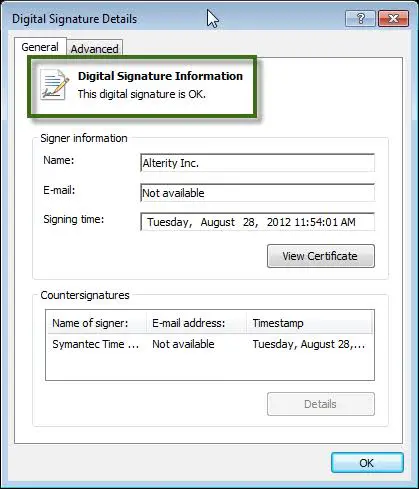
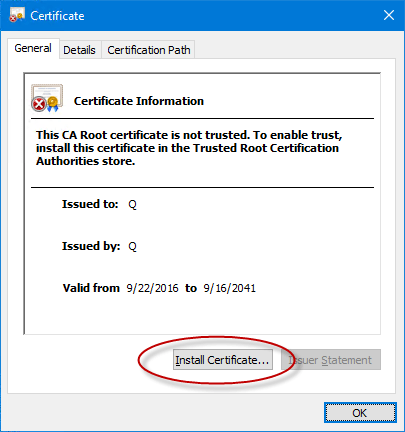
The various methods for fixing Error code 15311 are: 1: Install the latest digital signature certificate. 2: Configure the Internet settings. 3: Uninstall QuickBooks-related entry.
How does installing the Intuit digital signature certificate resolve Error 1531?
If your operating system cannot verify the publisher of the update file, it blocks the installation. Manually locating the QBW32.exe file in your installation directory and installing the official Intuit certificate forces Windows to trust and run the update smoothly.
Can a third-party application like a firewall or antivirus trigger Error 15311?
Yes, absolutely. Restrictive security suites or background software often intercept outbound accounting connections or flag incoming update patches as suspicious, resulting in an immediate 15311 download failure.
What should I do if Error 15311 refuses to clear after a system reboot?
A persistent 15311 error indicates that your user account preferences or local registry components are damaged. To avoid missing payroll deadlines or risking data mismatches, connect with our dedicated technical support line at +1-888-510-9198 for secure, real-time remote configuration support.
QuickBooks error 6007 belongs to the 6xxx error series, which is often related to the company file. There are a bunch of factors that can cause QuickBooks error code 6007. Such an error occurs when the company file gets damaged for some reason. In this article, we have tried to summarize the factors triggering this issue, along with the quick fixes for the same. Thus, we recommend you stick around till the end. Or you can further connect with our technical team at +1-888-510-9198, and let them help you with the fixation of any sort of QuickBooks-related issue. Having said that, let us first understand the error code 6007 in detail.
The QuickBooks error 6007 is also called the QuickBooks Sync Manager issue. This is a serious problem and if not fixed on time it can cause a lot of damage to your company data files. This error can also be caused when you have a damaged file or a missing program on your computer. It shows up on the screen stating: Error 6007: There was an error while connecting to your company file: QuickBooks is in single-user mode. There are a bunch of factors that can trigger this error, let us evaluate them one by one.
What causes QuickBooks error code 6007?
Here are some quick reasons why you experience error 6007 in QuickBooks:
One of the basic factors can be if you mistakenly deleted the QuickBooks files or if the files get deleted on their own due to an issue with the sync manager.
Another possible reason for the same can be if the company files storing the essential data are damaged.
You can further come across this issue if you are using single-user mode to access the company file.
Identifying the errors becomes easy when you know the signs and symptoms. Here are some of the signs that you might see when QuickBooks error 6007 occurs.
Unable to access the company file
The system slows down when opening the QuickBooks sync manager
The QuickBooks sync manager fails to launch
The error message appears on the screen
Effective Methods to Fix QuickBooks Error Code 6007
Now that you know what causes this error along with the signs for the same, it is the right time to explore the fixes. Here are some effective methods that can be applied to eliminate this issue permanently in QuickBooks. Let us have a look:
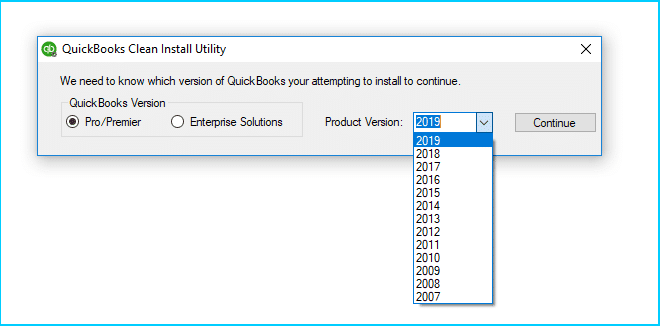
Method 1: Clean Installation
Some errors in QuickBooks can be fixed by simply reinstalling QuickBooks. However, when that fails to work, it is recommended to opt for an advanced option i.e., clean installation. Let us explore the steps involved in clean installation of QuickBooks.
You can try repairing QuickBooks software using the below set of steps to eliminate error 6007 in QuickBooks.
At first, move to the control panel and click on the start menu.
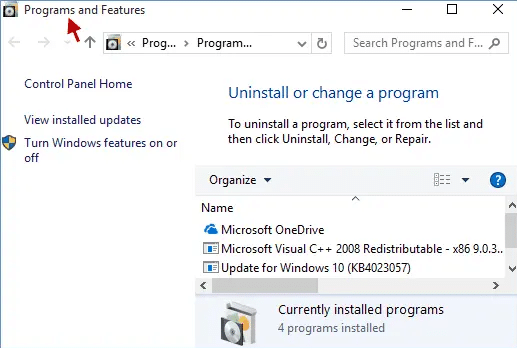
Once done with that, choose the programs and features option.
Also, go for QuickBooks.
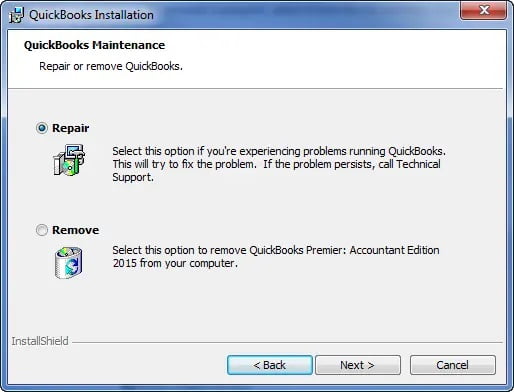
And click on uninstall/change and then choose repair.
Carry out the onscreen instructions and you are good to go.
Method 3: Update QuickBooks Desktop
Outdated QuickBooks can at times trigger some or the other issues in QuickBooks. Thus, it is essential that you keep your QuickBooks updated to the latest release. The steps involved in this process are as follows:
At first, you need to run QuickBooks desktop.
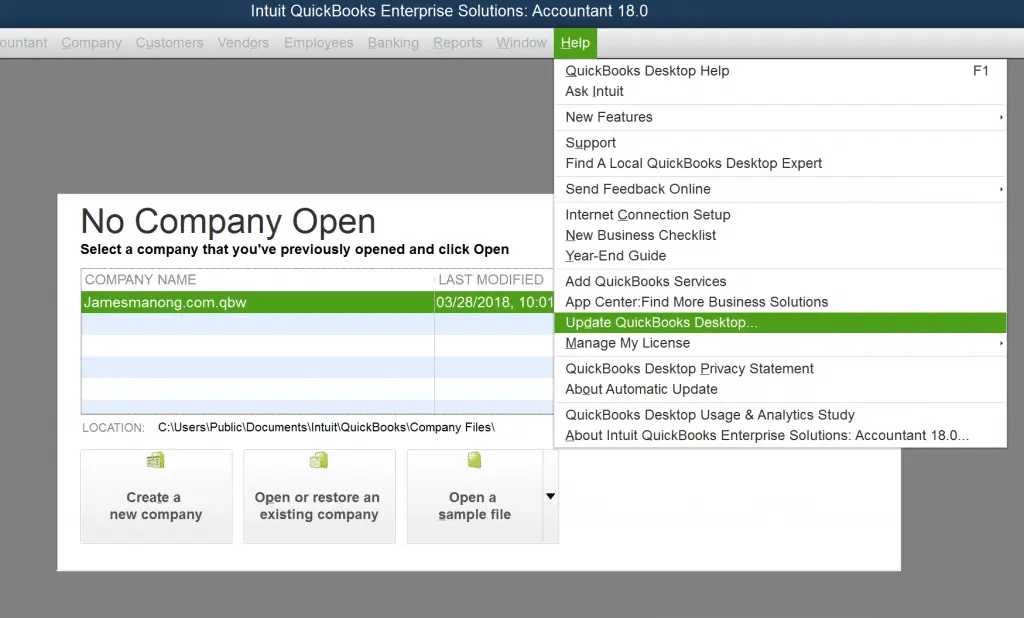
Further, tap on the help option.
Followed by heading to the update QuickBooks option.
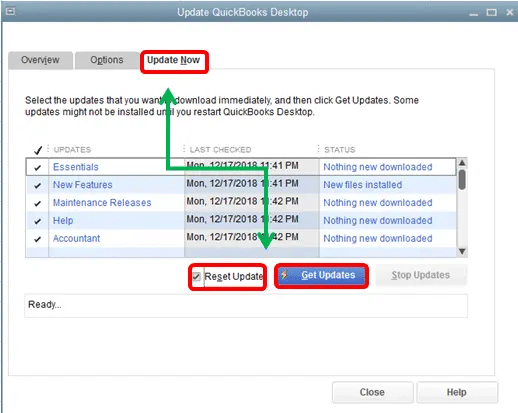
You will then have to choose the reset updates option and also go for get updates to start the downloading process.
You now have to restart QuickBooks. An installation prompt will appear on the screen.
Perform the onscreen instructions that show up to install the updates successfully.
The last step is to open the company files again and check if error 6007 is fixed or not.
You can come across error code 6007 in QuickBooks when the sync manager is outdated. Moreover, updating the sync manager can fix the issue to a certain extent.
You need to first launch QuickBooks.
Once done with that, head to the sync data manager from the help menu.
Followed by opting for the reset option.
You now have to click on ok tab.
Followed by accessing QuickBooks by typing in the correct login and password.
The sync manager will perform the first sync shortly.
And further, access the company file and check if the issue is fixed.
Method 5: Check for single-user mode
You need to initially run QuickBooks and head to the utilities menu.
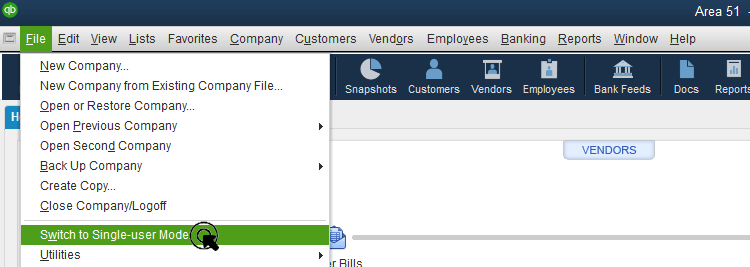
Once done with that, click on single-user mode option to switch to it, if not enabled already.
Launch QuickBooks and try to access the company files and use QuickBooks sync manager to inspect if the error got rectified.
Method 6: Login as admin
You will first have to launch QuickBooks and sign in using the admin credentials
Ensure that you enter the correct username and password
This gives you the authority to access the admin features and could further eliminate the issue.
With the help of these simple steps, the QuickBooks error code 6007 can easily be fixed. But if the problem doesn’t get solved then reach out to the QuickBooks enterprise technical support number i.e. +1-888-510-9198 right away to get an instant solution. Our Intuit QuickBooks Certified team will look forward to your concern and provide you with a feasible solution for all your problems.
What is QuickBooks error 6007, and what causes it?
QuickBooks error 6007 is an error that occurs when the software is unable to connect to the company file. This can be caused by a variety of issues, including a corrupt or damaged company file, problems with network connectivity, or conflicts with antivirus or firewall software.
How can I fix QuickBooks error 6007?
There are several potential solutions for QuickBooks error 6007, depending on the root cause. Some users have had success with restarting their computer or resetting their network settings. Others have found that disabling their antivirus or firewall software can resolve the issue. If you’re still struggling to fix the error, you may want to consider reaching out to QuickBooks support services for further assistance.
Can I get help with QuickBooks error 6007 from QuickBooks support services?
Yes, QuickBooks support services can help you diagnose and resolve errors like 6007. The support team is familiar with common QuickBooks issues and can provide personalized assistance to help you get back up and running as quickly as possible.
How can I prevent QuickBooks error 6007 from occurring in the future?
To prevent QuickBooks error 6007 from occurring in the future, it’s important to take steps to maintain the health of your company file and your computer system. This may include performing regular backups of your company file, updating your antivirus and firewall software, and keeping your QuickBooks software up to date with the latest updates and patches. Additionally, if you’re experiencing recurring issues with QuickBooks, you may want to consider investing in ongoing support services to help you stay on top of any potential issues.
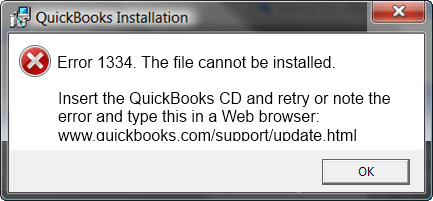
If you’re trying to install or update QuickBooks and suddenly see a message that reads “Error 1334 The file cannot be installed” or “Error writing to file [filename] verify that you have access to that directory”, you’re dealing with an installation-level error that usually points to one thing: a missing, damaged, or incomplete QuickBooks installation file.
QuickBooks Error 1334 can show up in a few different situations during a fresh installation, while QuickBooks is updating, or even when Windows itself is starting up or shutting down. When it hits, you might also notice your system slowing down, freezing, or becoming unresponsive signs that something in the installation or system files needs attention.
The good news is that this error has clear, tested solutions. This guide walks you through all four of them in plain, easy-to-follow language. If you’d rather skip the troubleshooting and have a certified expert sort it out, our team is available 24/7 at +1-888-510-9198, just give us a call.
QuickBooks issues should be fixed immediately as sometimes they may be irreversible. Here are some of the most credible solutions to QuickBooks Error 1334:
If the error Appears while Opening or Launching QuickBooks
Search and open QuickBooks Company file.
Locate file ‘extension .qbw’.
Double-click the company ‘.qbw file‘.
Solution 1: Clean Installation of MS Windows
Uninstalling and reinstalling Windows erases all the saved data from computer’s hard drive and your system will be starting afresh.
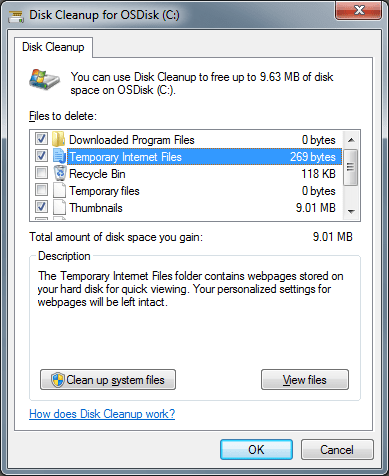
You can rather clean install windows to clean out all the junk and unnecessary log files accumulated on your system over the time from web surfing and other usage.
Cleaning system junk with Disk Cleanup
Solution 2: Add or Remove Program
Firstlt Press Windows key and type ‘MSConfig‘ in the ‘Search programs and files‘ box.
Choose the ‘Boot tab‘.
Select ‘Safe Boot’ and then ‘Network‘.
Click ‘Ok‘ and select ‘Restart‘.
Allow your system to start in ‘Safe Mode‘.
The programs you choose to run will start up.
This process will allow you the opportunity to open and run QuickBooks software without any obstruction.
Once QuickBooks Error 1334 is cleared and QuickBooks is successfully installed or updated, take a moment to verify the installation is complete by opening QuickBooks and confirming it loads your company file without issues. If you went through the System Restore route (Solution 3), also run a quick Windows Update afterward to make sure your system is current again following the restore point.
If Error 1334 is still showing up after working through all four solutions or if it reappears shortly after being fixed the underlying cause is likely a more persistent malware infection or a deeply damaged system file that the standard tools didn’t catch. Our certified QuickBooks support team at +1-888-510-9198 is available 24/7 and can run a remote diagnostic to identify exactly what’s keeping this error alive. Most installation errors like this are fully resolved within a single support session.
FAQs
What is QuickBooks Error Code 1334?
QuickBooks Error 1334 is an installation error that appears when a QuickBooks file is missing, damaged, or cannot be written to the correct directory during installation or update. The error message reads: “Error 1334. The file cannot be installed” or “Error writing to file [filename]. Verify that you have access to that directory.” It typically points to a corrupted installation file, damaged Windows registry, or a .NET Framework issue.
What are the main causes of QuickBooks Error 1334?
The most common causes are: a virus or malware infection affecting QuickBooks or Windows files, a corrupted Windows registry from a recent QuickBooks change, incomplete or damaged QuickBooks installation files, an accidentally deleted QuickBooks file, and a damaged or misconfigured Microsoft .NET Framework installation.
How do I fix QuickBooks Error 1334 quickly?
Start with the fastest fix clear your Windows temp files by pressing Windows + R, typing %temp%, selecting all files, and deleting them. Then restart and retry the installation. If the error persists, run QuickBooks in Safe Mode with networking to update it, use System Restore to roll back to a point before the error started, or repair your .NET Framework from the Windows Control Panel. For persistent cases, call +1-888-510-9198 for expert help.
Does QuickBooks Error 1334 mean my installation is corrupted?
Not always. While a corrupted installation is one possible cause, Error 1334 can also be triggered by external factors like malware, a damaged Windows registry, or a .NET Framework conflict none of which necessarily mean the QuickBooks installer itself is bad. Try the simpler fixes first (clearing temp files, running in Safe Mode) before assuming you need a full reinstall.
Can malware cause QuickBooks Error 1334?
Yes, malware and viruses can corrupt QuickBooks installation files or Windows registry entries, directly triggering Error 1334. Running a full system malware scan before attempting to reinstall QuickBooks is strongly recommended, especially if you’ve recently noticed unusual system behavior alongside this error. Reinstalling QuickBooks on an infected system will likely result in the same error returning.
Why does QuickBooks Error 1334 appear during Windows startup or shutdown not just during installation?
Error 1334 can appear outside of the installation process when QuickBooks-related files or Windows system files are damaged at a deeper level. When Windows loads or shuts down, it checks and loads various program components if any QuickBooks-linked file fails to load correctly during this process, the error surfaces. This is a sign that a clean Windows installation or a thorough system file repair (using System Restore or the Windows SFC scan) is likely needed.
Will cleaning temporary files fix QuickBooks Error 1334 permanently?
Clearing temp files can resolve Error 1334 if the conflict was caused by corrupted temporary installation data blocking the QuickBooks setup process and for some users, this one step does the job completely. However, if the root cause is a damaged Windows registry, corrupted .NET Framework, or malware, clearing temp files alone won’t be enough. It’s still worth trying first since it takes less than two minutes, but be prepared to work through the full solution list if the error returns.
A corrupted installation file can derail a QuickBooks update or repair in seconds and that’s exactly what’s behind QuickBooks Error 1335. It typically shows up while you’re installing, updating, or repairing QuickBooks, with a message pointing to a damaged cabinet file (data1.cab) that’s needed to complete the process. This is actually a Microsoft Windows-level error rather than something specific to QuickBooks itself, which is why the fixes focus on things like your installation CD, system memory settings, and temporary files rather than QuickBooks settings directly. The good news is that it’s usually resolved in just a few steps.
This blog covers what causes Error 1335 and 3 straightforward solutions to fix it. If you’d rather skip the troubleshooting altogether, our technical support team is available at +1-888-510-9198, just give us a call.
QuickBooks Error 1335 means the cabinet file (data1.cab) needed for ongoing installation is corrupt or damaged. Plus, the cabinet file (2), which is another vital file for this installation is not usable. QB Error 1335 is indeed a Microsoft Windows error that takes place while updating the accounting software or repairing its installation. You may get one of the following Microsoft Windows errors occurs when updating QuickBooks or repairing a QuickBooks installation:
Error 1335: The cabinet file [data1.cab] required for this installation is corrupt and cannot be used.
Error 1335: The cabinet file [2] required for this installation cannot be used.
What Causes QuickBooks Error 1335?
Here are some other reasons that trigger QB Error 1335 and their solutions:
Make sure that your software CD has no scratches and dust as they can cause issues in reading.
You can clean the CD softly and retry the installing it.
Installation issues normally appear because of insufficient installation memory settings on your system.
The system requirements of your computer for QuickBooks accounting software installation and refer the MS knowledge base for particulars on changing these settings.
You can temporarily disable some software. Including anti-virus software at the time of installing QuickBooks.
You can follow these solutions mentioned below to resolve your Error Code 1335. However, If you are not good in technical aspects or want a quick solution of this error then you can contact our QuickBooks Support team to get a feasible solution for this error.
In case the error is not fixed even after running the QuickBooks Diagnostic Tool, you can try fixing the error using the below mentioned manual steps:
Get a hard drive installation of QB software to copy the installation folders from your QuickBooks CD to your hard drive and use copied files to install QuickBooks from your hard drive simply.
If in case you continue receiving errors from the CD on a second computer, the CD may reduce in size. You can download QuickBooks and then follow the QuickBooks software from your hard drive through the copied files.
If you still receive errors, then clear the temporary folder and reattempt to install it.
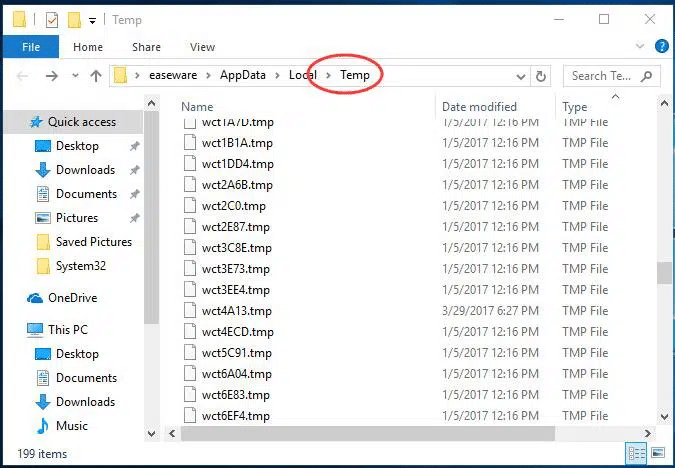
Solution 3: Clean the temporary folder
Here, the user needs to “reboot” the system and login to the system with admin rights
After that, head to the path that says: “For Windows 8,7, or Vista: C:\Users\username\AppData\Local\Temp “
In most cases, running the QuickBooks Install Diagnostic Tool (Solution 1) takes care of Error 1335 on its own, since it’s designed to automatically detect and fix common installation issues. The manual steps are there as a backup for the less common cases where the diagnostic tool alone doesn’t fully resolve things. If you’ve tried all three solutions and the installation still won’t complete, it’s worth having a professional take a closer look rather than repeatedly retrying the install. Our team at Host Docket is available at QuickBooks Support & Help i.e. +1-888-510-9198 to help you get QuickBooks installed and running smoothly.
Frequently Asked Questions!
What are the symptoms of QuickBooks Error Code 1335?
Here are some common symptoms of this error: 1. The following error message pops on the screen “Error 1335: The cabinet file [filename] required for this installation is corrupt and cannot be used.” 2. The installation process stops abruptly and fails to complete 3. The computer crashes all of a sudden. 4. QuickBooks crashing or responding slowly.
How to install the missing or damaged file manually?
The steps to install the missing or damaged file manually is elucidated below: 1. At first, access the Run Box (Use the short key – Windows + R). 2. Type “cmd” and press Enter. 3. Head to the folder containing the installation files using the CD command. 4. Type “msiexec /i [filename].msi” and hit Enter. 5. Perform the on-screen instructions to complete the installation.
Can I fix QuickBooks Error 1335 on my own?
Yes! One can fix QuickBooks Error 1335 on your own by following the troubleshooting steps: Step 1: Delete the temporary files. Step 2: Run QuickBooks Install Diagnostic Tool. Last Step: Disabling the antivirus program.
Does QuickBooks Error 1335 indicate a problem with my computer’s hard drive, or is it specific to the installation media?
In most cases, Error 1335 points to an issue with the installation media itself typically a damaged or unreadable CD, or a corrupted downloaded installer file rather than a problem with your computer’s hard drive. That said, if you’ve copied the installation files to your hard drive (as suggested in Solution 2) and you’re still seeing this error, it could indicate a deeper issue worth having a technician check.
Can I avoid QuickBooks Error 1335 entirely by downloading QuickBooks instead of using a CD?
Yes, downloading QuickBooks directly from Intuit’s official website rather than installing from a physical CD significantly reduces the risk of encountering Error 1335, since you eliminate the possibility of a scratched or damaged disc causing read errors. If you’re currently struggling with a CD-based installation, switching to the downloaded version (as mentioned in Solution 2) is often the quickest path forward.
Will cleaning the temporary folder (Solution 3) delete any of my QuickBooks settings or saved preferences?
No, clearing your Windows temporary folder only removes temporary system files that accumulate during installations, updates, and general computer use — it has no impact on QuickBooks itself, your company file, or any saved settings and preferences within the software. This step is purely about freeing up space and removing files that might be interfering with a clean installation.

![How to Resolve QuickBooks Installation Error 1317? [SOLVED]](https://www.hostdocket.com/wp-content/uploads/2018/07/QuickBooks-Error-Code-1317-How-to-fix-it-1.jpg)


![QuickBooks Error Code 1335: How to Fix? [Easy Solution Steps]](https://www.hostdocket.com/wp-content/uploads/2018/07/How-To-Troubleshoot-QuickBooks-Error-1335-1.jpg)